Brighter Days, Softer Air: Caring for Indoor Life as Seasons Shift

Today we focus on adjusting light and humidity routines as daylength changes indoors, turning shifting mornings and early twilights into allies rather than obstacles. You will learn how to fine-tune timers, position lamps, balance evaporation, and protect leaves from sudden dryness. Expect practical steps, small experiments, and cozy rituals that keep plants thriving and rooms comfortable, while inviting you to notice subtle seasonal rhythms hiding behind curtains, vents, and windowsills.

Why Daylength Matters Behind Closed Windows

{{SECTION_SUBTITLE}}
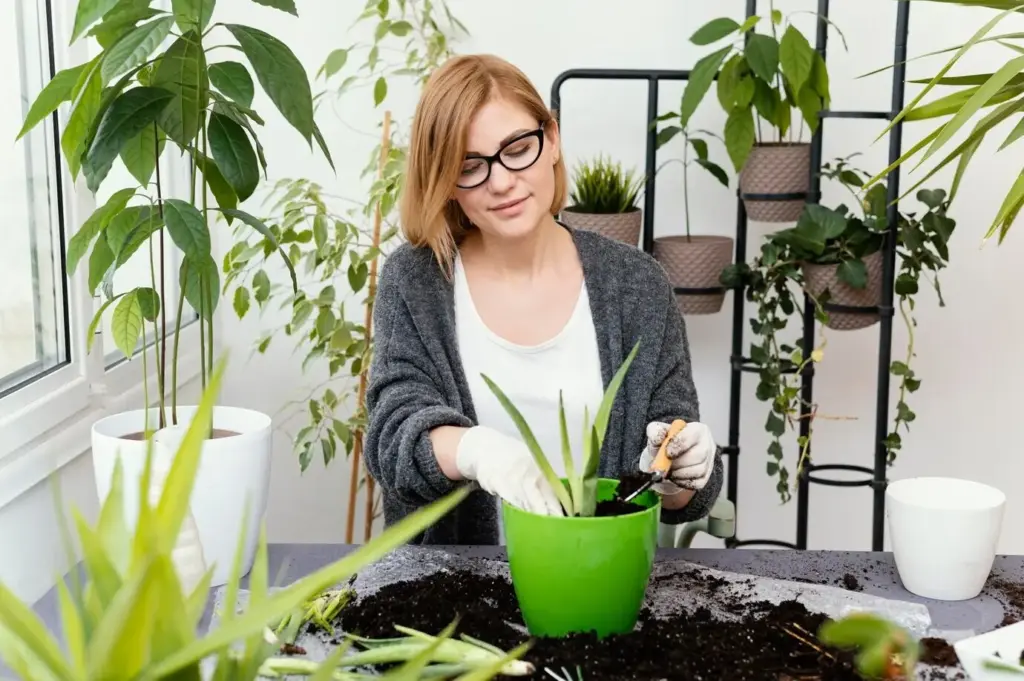
Photoperiod, Photosynthesis, and Daily Balance
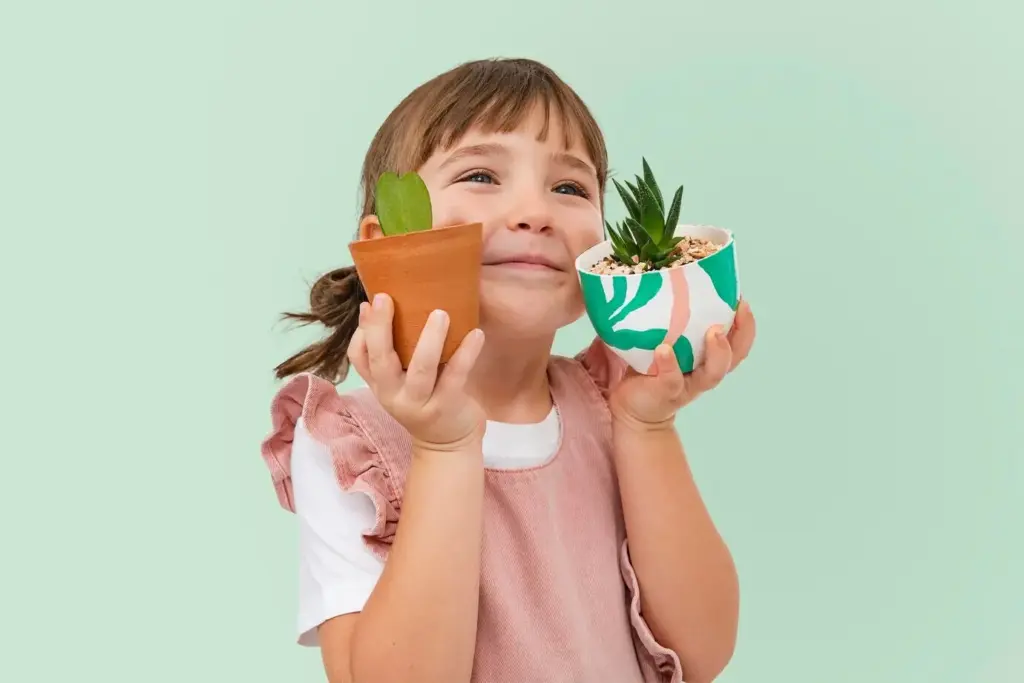
Plants read daylength through biochemical clocks, not just brightness. As nights lengthen, growth slows, light demand shifts, and metabolism favors maintenance over exuberant expansion. Matching photon delivery to that pace keeps leaves compact, helps avoid leggy stretches, and preserves variegation while reducing unnecessary energy costs across darker weeks.

Humidity’s Quiet Role in Leaf Health

Dry heated air accelerates transpiration, crisping tips and collapsing delicate stomata. Meanwhile, cooler window zones condense moisture, fostering mildew if circulation stalls. By tracking humidity alongside light, you catch the moment to raise ambient moisture, widen plant spacing, or shift positions before stress signals arrive and spread.

Reading Your Rooms: Mapping Microclimates

Every corner tells a different seasonal story: cool north windows, warm upper shelves, drafty corridors, and humid kitchens. Mapping these contrasts replaces guesswork with insight. With a notebook or simple app, you can assign placements, rotate pots with purpose, and schedule adjustments before stress shows.

Shaping Light: Tools and Routines That Evolve with the Calendar
As sunrise times drift and afternoons darken, indoor illumination must do more than shine; it should mimic reliable cues. Thoughtful lamp placement, spectrum choices, and timer choreography protect growth while keeping energy reasonable. This section guides practical, incremental changes that accumulate into healthier, prettier leaves.

Shaping Moisture: Practical Humidity Care Without the Guesswork

Moisture management is both science and ritual. Balance evaporation against airflow, container size, and substrate. The goal is resilient steadiness, not tropical fog. With small routines and mindful placement, you can keep humidity supportive while preventing fungus gnats, molds, and bacterial issues from gaining footholds.

Plant Personalities: Adapting Care by Species and Growth Stage

Tropicals That Crave Steady Moist Air Even as Days Shrink

Calatheas, marantas, and many orchids celebrate reliable moisture and moderate light that lingers through shorter days. Keep them away from vents, add buffered humidity, and use diffused LEDs. Watch leaf edges; crisping signals a need for gentler airflow or a slightly closer, softer lamp.

Succulents and Cacti: More Light, Less Damp, Clear Boundaries

These champions of sunlit cliffs thrive with strong light and generous spacing. As daylight fades, extend illumination slightly but water less, letting substrates dry thoroughly. Rotate weekly to prevent leaning, and avoid misting, which can spot skins and invite opportunistic fungi in cool rooms.

Seedlings and Cuttings: Gentle Light with High Humidity Safety Nets

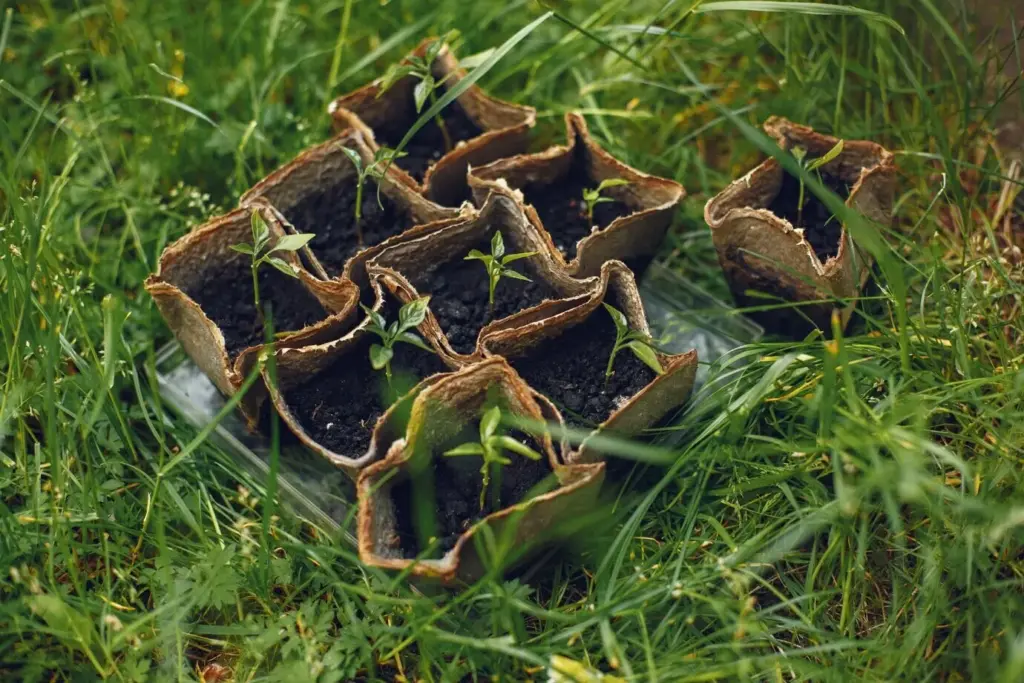
New roots and tiny leaves prefer gentleness. Provide bright, indirect light with humidity domes or bag tents cracked for airflow. Lift covers daily, watch condensation, and lower intensity at first sign of stress. Gradually widen openings as growth strengthens and roots explore confidently.

Measure, Reflect, Adjust: Building a Feedback Loop You’ll Actually Keep

Record morning and evening snapshots for light and humidity with inexpensive tools. If that feels heavy, take three photos daily for one week instead. Visuals reveal trends quickly. Promise yourself five minutes on Sundays to compare, celebrate tiny wins, and choose next actions.
Numbers matter only when they guide gentle behavior. If humidity dips midday, move a tray closer rather than cranking machines. When light meters sag, slide a reflector wider before buying another lamp. Aim for nudges, not overhauls, so plants adapt smoothly without unnecessary stress.
Share your experiments with friends or local groups, and ask for feedback when puzzled. Photos of morning light angles or hygrometer charts spark lively exchanges. Subscribe, comment, and return often; collective curiosity turns seasonal uncertainty into a playful, supportive journey for everyone.
Mekilefafoxaxitami
Privacy Overview

This website uses cookies so that we can provide you with the best user experience possible. Cookie information is stored in your browser and performs functions such as recognising you when you return to our website and helping our team to understand which sections of the website you find most interesting and useful.