A Year in Green: Seasonal Houseplant Care Calendars That Work

Welcome. Today we explore seasonal houseplant care calendars, transforming scattered chores into a calm, repeatable rhythm across spring, summer, autumn, and winter. You will learn how to time watering, feeding, repotting, and light adjustments, so every plant meets the right conditions at the right moment and rewards you with resilient growth, reliable blooms, and fewer stressful surprises.

How Indoor Seasons Shape Your Plants

{{SECTION_SUBTITLE}}
Shifting daylight and growth signals
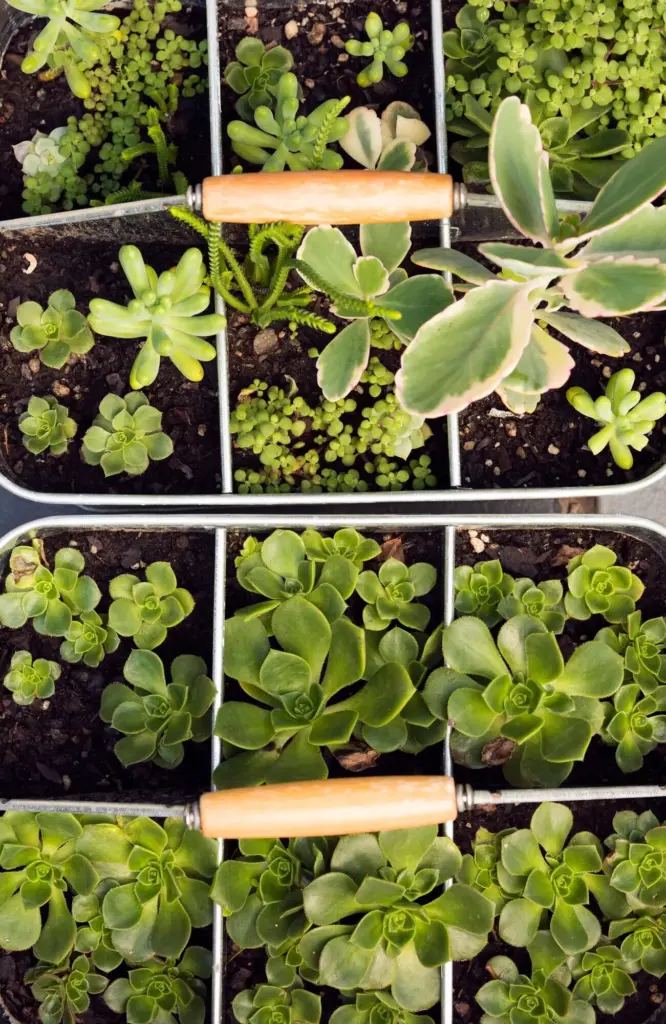
Even behind glass, daylength and sun angle change, cueing leaves to stretch or pause. Track sunrise and sunset in your city, noting when shadows move across sills and how quickly. Align pruning and staking with elongation bursts, then ease off as daylight shortens, preventing leggy stress while preserving compact, resilient structure that handles seasonal adjustments gracefully.

Temperature and humidity patterns at home

Radiators hiss in winter, air conditioners dry out summer rooms, and kitchens trap steam after dinner. These invisible shifts affect roots and stomata. Place thermometers and hygrometers near key plants, move humidity lovers from drafty corridors, and schedule misting or pebble trays when your readings predict uncomfortable dips. Calibrated timing turns guesswork into steady, protective routines.

Spring Reset Calendar

Watering rhythm for awakening roots

Increase watering gradually as evaporation and metabolism rise, but avoid instantly returning to summer habits. Let topsoil dry slightly, then water thoroughly, watching drainage carefully. Track intervals on your calendar, nudging frequency forward week by week. This gentle ramp prevents springtime rot while giving thirsty, reactivating roots the encouragement they need for confident expansion.

Repotting and root refresh

Choose airy mixes and slightly larger pots for active growers, trimming circling roots and removing spent soil. Note repot dates, medium blends, and plant reactions directly on your calendar. Rotate more delicate species over two weekends to reduce stress. This measured approach safeguards momentum, encourages balanced foliage, and prevents overenthusiastic upgrades that slow recovery.

Feeding and gentle pruning

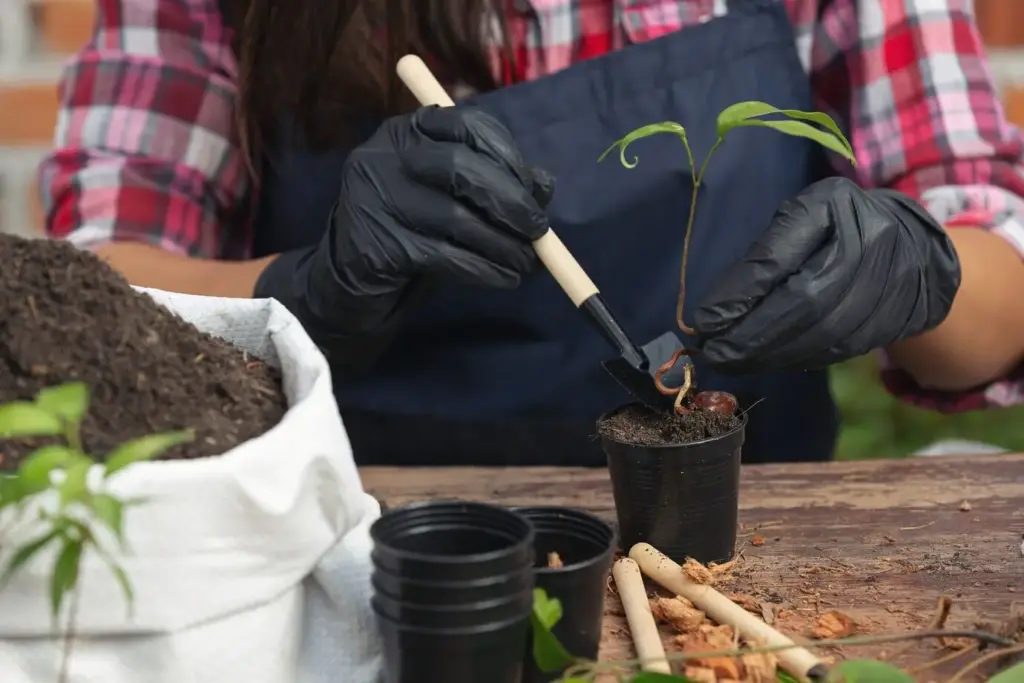
Begin with diluted fertilizer, increasing strength as new leaves harden. Pinch leggy tips to encourage branching, saving cuttings for propagation day. Record doses, responses, and any sensitivity. If a plant sulks, roll back concentration for a week. This documented spring routine builds confidence, avoids nutrient shock, and sets expectations for lush, directed summer growth.

Summer Momentum Calendar

Summer brings fast growth, quick evaporation, and lively pests. A calendar helps balance generous water with vigilant monitoring, shade tweaks, and grooming sessions. Spread maintenance across cool morning slots to protect leaves. I scorched a fern one August afternoon; since then, weekly shade checks saved new fronds and taught me respectful timing through heat.

Autumn Wind-down Calendar

As days shorten, plants budget energy. Your calendar shifts from pushing growth to guiding graceful slowdowns. Focus on tapering water, capturing precious light, and correcting any summer leggy stretches. Note each adjustment and observe responses. This intentional deceleration strengthens roots for winter and readies bloomers for reliable seasonal displays when cooler months arrive quietly.

Tapering water without stress

Reduce frequency incrementally, not abruptly. Extend intervals by a day, then two, while monitoring leaf turgor and soil aroma. Chart these changes across weeks so you never overcorrect. Gentle tapering trains roots to handle reduced resources, preventing sudden limpness, yellowing, or opportunistic rot that often follows enthusiastic late-season watering mistakes indoors.

Light and placement as days shrink

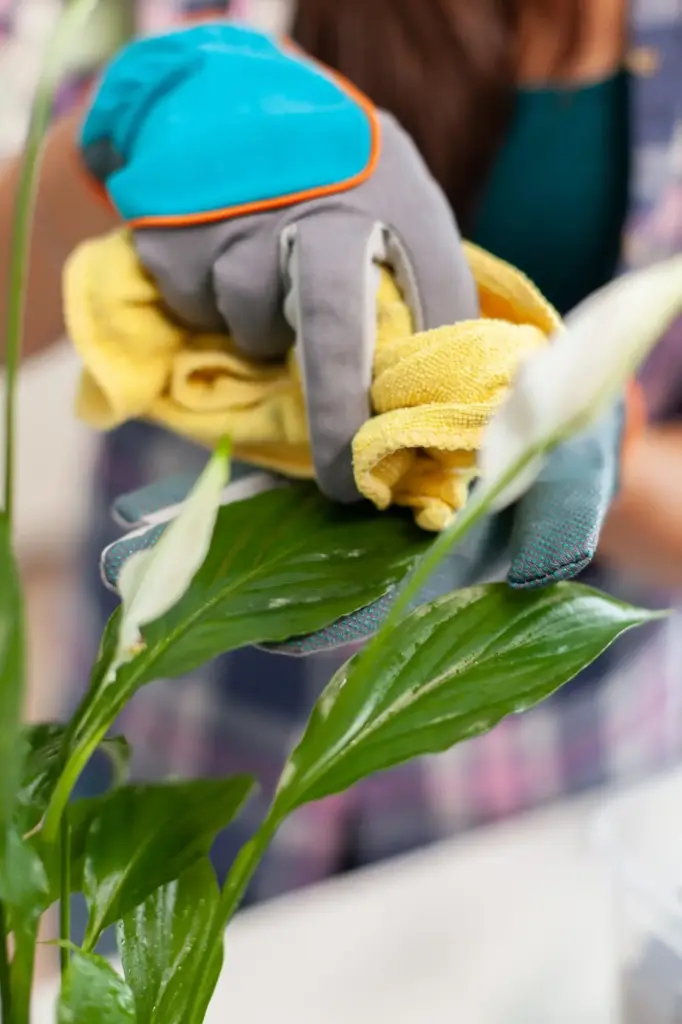
Track shifting sunbeams and bring light lovers closer to windows before winter arrives. Clean glass, dust leaves, and adjust angles to maximize remaining hours. Note positions on your calendar for easy reversal in spring. Subtle relocations preserve vigor, reduce legginess, and stabilize photosynthesis without shocking plants that rely on gradual environmental cues.

Dormancy preparation and bloom planning

Some plants rest, others prime buds. Research species needs and log target temperatures, darkness periods, or cooler rooms. Set reminders for reduced fertilizer and steady, minimal disturbance. Planning now for amaryllis, Christmas cactus, or orchids ensures dependable displays, while respecting dormancy prepares vegetative favorites to rebound with confident, measured growth when warmth returns.

Winter Survival and Steady Care

Winter demands patience and precision. Dry air, short days, and cool windowsills challenge even sturdy species. Your calendar keeps watering conservative, light optimized, and humidity safe. Instead of chasing rapid growth, aim for stability. With records and reminders, you protect roots, prevent pests, and emerge into spring without emergency rescues or discouraging setbacks.

Slow watering, clear rules

Use a bright window, a calendar, and your fingers. Confirm dryness deeper than usual, then water moderately with room-temperature water. Empty saucers quickly to avoid cold, stagnant baths. Record intervals and tweak cautiously. Emphasizing consistency over generosity prevents midwinter root rot, fungus gnat blooms, and the discouragement that follows preventable, soggy mistakes.

Light supplements and reflective tricks

Supplement weak daylight with LED grow lights on timers, logged for gradual ramp-up and wind-down. Angle mirrors or white foam boards to bounce brightness onto lower leaves. Dust weekly for efficiency and note locations for safe distances. These simple interventions provide photosynthetic stability without stressing plants, smoothing the darkest weeks into manageable, predictable routines.

Humidity microclimates without mold

Build clustered groupings with pebble trays, mindful airflow, and periodic room airing. Balance humidity with vigilance: record fan settings, tray refills, and wipe-down days. Avoid trapping moisture against cold panes or dense curtains. The calendarized mix of moisture and movement protects delicate leaves, discourages powdery mildew, and sustains gentle, healthy respiration all season.

Build Your Personal Care Calendar

Turn intentions into habits by designing a system you enjoy using. Combine fixed seasonal anchors with flexible, observation-driven notes. Whether you prefer a wall calendar, an app, or shared reminders, make room for reflections and photos. Share your adjustments with our community, ask questions, and subscribe for monthly prompts that keep progress steady.
Mekilefafoxaxitami
Privacy Overview

This website uses cookies so that we can provide you with the best user experience possible. Cookie information is stored in your browser and performs functions such as recognising you when you return to our website and helping our team to understand which sections of the website you find most interesting and useful.