Seasons of Indoor Growth: Perfect Moments to Multiply and Refresh Your Plants
Houseplants thrive when our timing matches their natural rhythms. Today we explore the best times of year to propagate and repot houseplants, translating seasonal cues into confident action, so cuttings root faster, repotted roots rebound quickly, and your collection grows with less stress and more joy. Expect practical timelines, honest stories of successes and missteps, and encouraging guidance that helps you plan the year, avoid shock, and celebrate healthy, resilient growth.
Reading the Calendar in Leaves and Roots
Even indoors, plants pulse with seasonal rhythms guided by changing day length, temperature drifts, and hormone cycles. Recognizing when energy shifts from leaves to roots or surges into fresh growth helps you choose moments that minimize stress. We will translate subtle cues—like new buds, flexible nodes, and quicker water uptake—into actionable timing, so repots establish steadily, cuttings callus correctly, and divisions rebound with confidence, especially when life, light, and schedules compete for attention.
Dormancy, Rest, and the Quiet Reset
Some plants truly sleep through winter, while others simply move slowly, conserving energy without shutting down. Understanding this difference prevents heavy-handed repotting when roots want calm. Instead of forcing activity, you can choose smaller maintenance tasks, like grooming or light top-dressing, until energy returns. This respectful patience builds healthier, sturdier specimens ready to respond vigorously when warmth and light increase, significantly reducing setbacks and the dreaded post-repot sulk many growers encounter.
Visible Growth Signals That Greenlight Action
Fresh leaf tips, swelling nodes, and faster hydration cycles whisper that your plant is gearing up for growth. When stems feel resilient rather than brittle, and roots peek from drainage holes, timing is on your side. Acting during this energized window shortens recovery and accelerates establishment. Instead of fighting resistance, you harness momentum, encouraging quicker root branching, stronger shoots, and a gentler transition that lets even sensitive species adjust gracefully without dramatic droops or prolonged pauses.
Photoperiod, Temperatures, and Indoor Microseasons
Light clocks vary by latitude, window direction, and room layout, creating tiny indoor microseasons. A south-facing sill may mimic late spring while a shaded hallway still feels like winter. Temperature shifts from drafts or radiators add another layer. By observing these microclimates, you can stagger tasks across rooms, tailoring repots and cuttings to the spaces where conditions already favor success. This nuanced approach elevates outcomes compared to following generic calendar dates that ignore your home’s unique rhythm.
Spring Repotting: The Gentle Big Move
{{SECTION_SUBTITLE}}

Upsize Thoughtfully When New Growth Begins
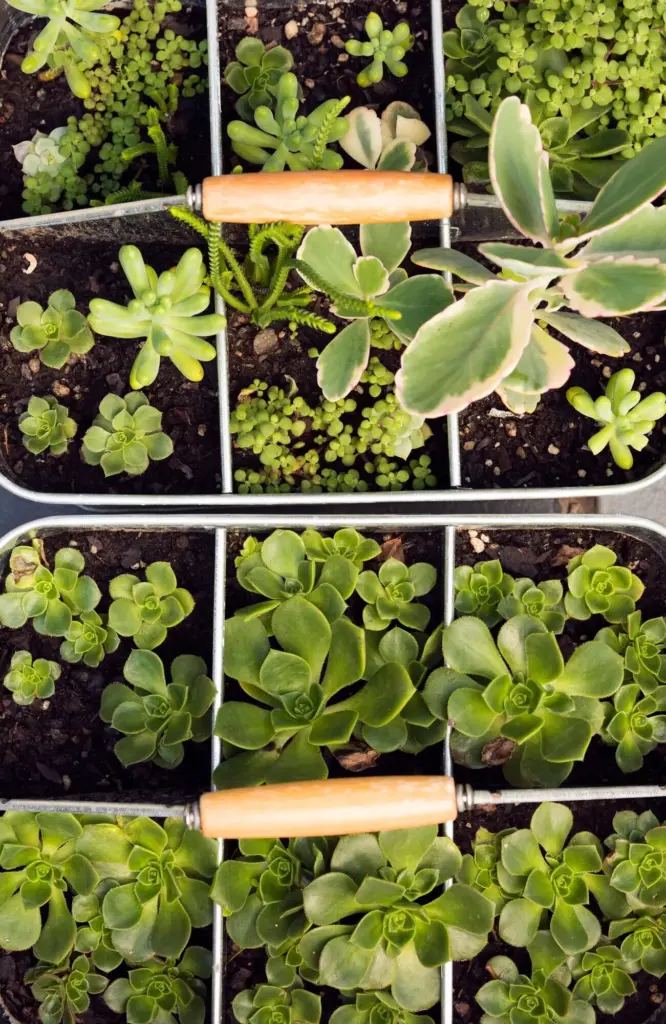
Choose a pot only one to two inches wider for most plants, resisting the temptation to overpot. When tiny leaves unfurl and nodes swell, step up carefully, teasing tight roots without shredding them. The goal is to invite exploration into airy, well-draining substrate just as the plant hungers for space. Overly generous containers stay wet longer, risking rot. This measured approach harnesses seasonal momentum, balancing enthusiasm with restraint for durable, enthusiastic growth instead of soggy setbacks.
Root-Bound Clues Worth Acting On
Spiraling roots, compacted soil that repels water, and constant wilting despite frequent watering are reliable signals change is due. In spring, cutting a few circling roots and loosening the mass encourages branching instead of strangling. If you notice pale new leaves or stalled growth despite bright conditions, a refreshed mix with appropriate texture can restore vigor. Acting during this energetic window means the plant quickly reroutes resources, anchoring firmly before summer’s warmth pushes foliage into high gear.
Summer Propagation: Heat, Light, and Rapid Roots
Warm temperatures and longer days boost metabolic activity, making summer a prime period for cuttings. Stems callus faster, nodes activate reliably, and humidity can be managed to prevent shriveling. With vigilant hydration and moderate light, both water and soil methods excel. Timing matters: taking cuttings early in the day, using semi-firm growth, and maintaining consistent moisture directly influence rooting speed. This season rewards attentiveness, turning small trimmings into thriving starts, perfect for sharing or expanding your collection.
Late-Season Divisions for Strong Clumps
For plants that stayed vigorous through summer, early autumn can still accommodate careful splitting. Focus on specimens with multiple crowns or offsets, ensuring each division has healthy roots. Reduce foliage slightly to match the trimmed root system, then pot into breathable medium. Keep light bright but gentle to avoid shock. This timing allows mild recovery before winter, preventing crowding and promoting even growth next year, while avoiding the intensity of peak repotting during high-energy spring transitions.
Top-Dressing Instead of Full Disruption
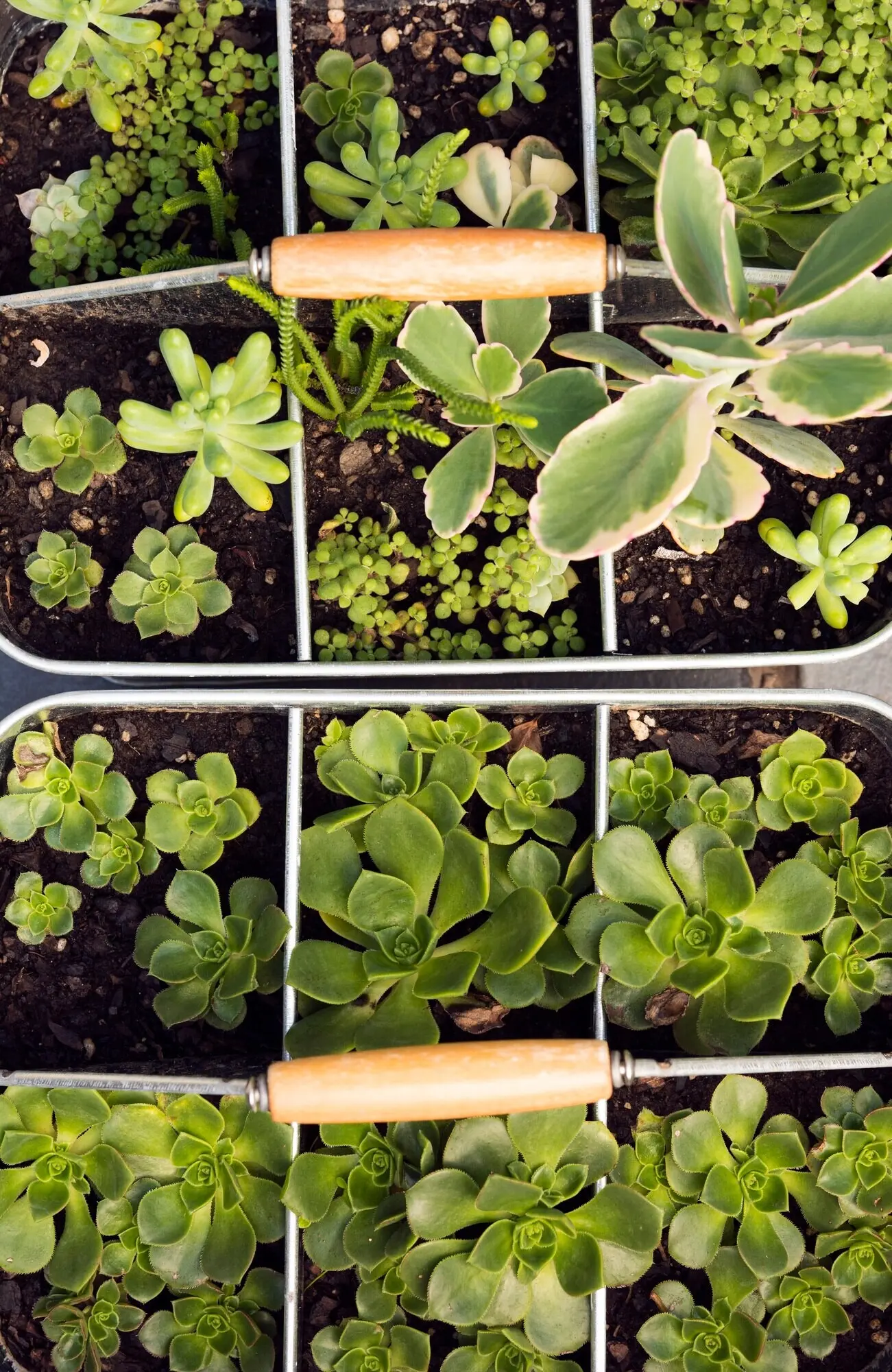
When a complete repot feels risky, scrape away spent soil from the surface and replace it with a fresh, nutrient-balanced layer suited to your plant’s needs. This refresh improves texture, boosts microbial life, and restores slow-release nutrition without disturbing roots. Combined with a light pest check and leaf cleaning, top-dressing gives plants a quiet boost heading into winter. It is a strategic compromise that preserves stability, especially for finicky varieties that resent major moves during seasonal slowdowns.
Pruning for Shape and Future Starts
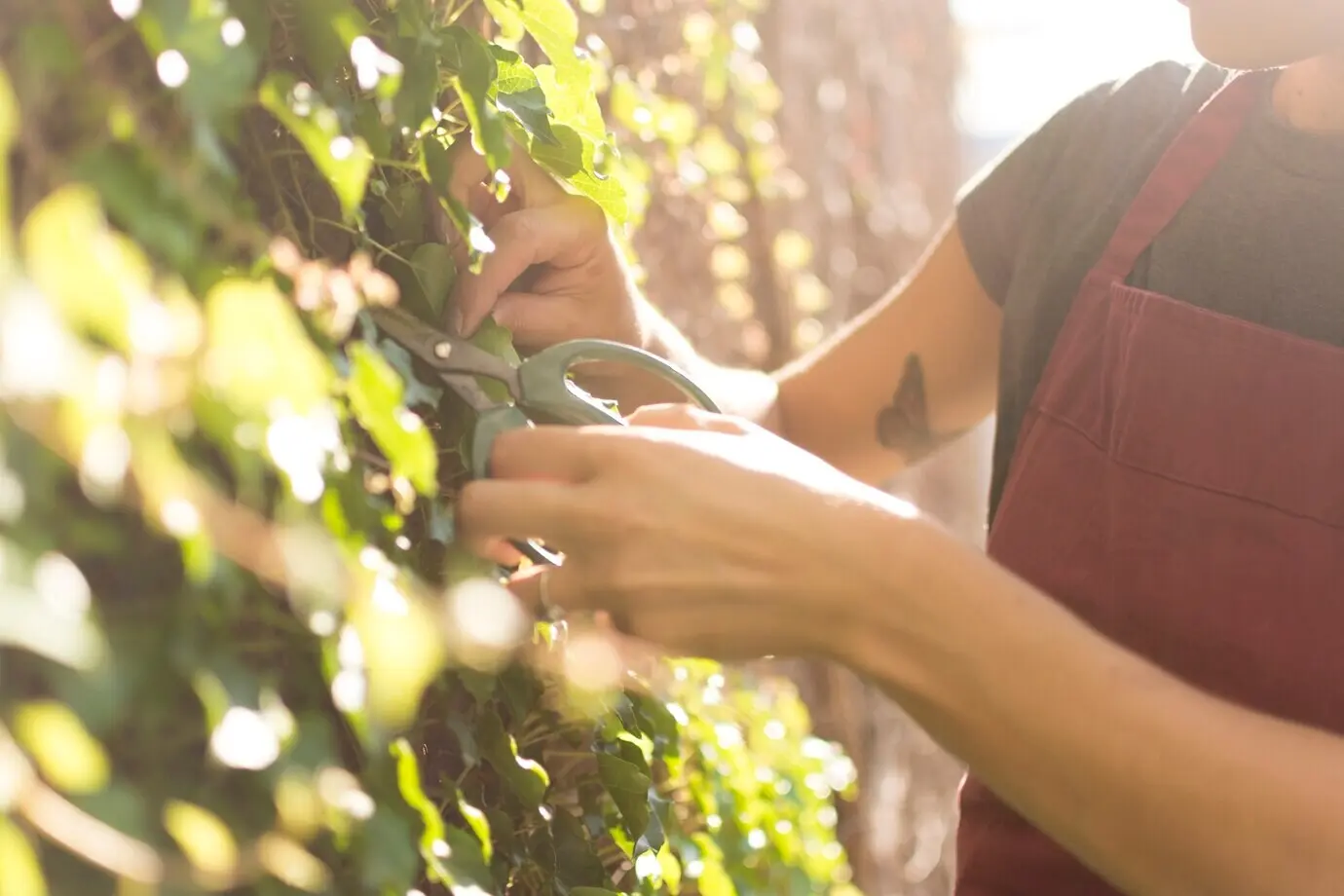
Trim leggy growth thoughtfully, encouraging branching without removing too much at once. Use clean tools, handling nodes with care so cuttings can become next season’s gifts. In shorter days, aim for modest corrections that maintain airflow and balance while avoiding heavy structural shocks. Proper pruning now supports denser growth when light returns, easing future propagation plans. Your plants will thank you with a tidier silhouette today and a stronger, fuller form when spring’s energy rolls back in.
Winter Considerations: Pausing, Exceptions, and Emergency Moves
Cold months are usually poor for repotting or propagation, because slower metabolism stalls recovery, and lower light weakens new growth. Yet realities, like severe root rot or collapsing soil structure, sometimes demand action. Knowing when to pause and when to intervene is crucial. With grow lights, warm rooms, and stable humidity, certain tropicals can still handle careful operations. But restraint remains wise. The guiding principle is to minimize stress while protecting long-term health through targeted, compassionate care.
Regional and Indoor Variables: Latitude, Windows, and Routines
Timing is personal because homes are ecosystems. Window exposure, heating patterns, humidifiers, and even your travel schedule shift the calendar. Gardeners in the southern hemisphere flip seasons entirely, while high latitudes experience extreme swings. Observing your environment and keeping notes transforms guesswork into reliable timing. Rather than following a universal chart, you build a tailored plan that respects your realities. This individualized approach delivers consistent wins, fewer surprises, and a stronger connection to how your plants actually live.
Seasonal Opposites and Adjusted Calendars
If you live in the southern hemisphere, your spring repotting window lands around September to November, not March to May. Coastal climates may extend mild conditions, while inland regions shift more abruptly. Track local daylight changes, not just temperatures, and adjust by species. Keep a simple log of outcomes to refine timing yearly. By honoring your region’s cadence, you protect sensitive plants from avoidable stress and set realistic expectations that align with natural energy flows instead of generic advice.
Microclimates Inside One Home
A bright kitchen sill can behave like spring while a cool office corner still feels like late winter. Drafts, heat vents, and curtain choices create microclimates that either accelerate or suppress growth. Map these zones and assign tasks accordingly: start cuttings in warmer spaces, repot in moderated light, and recover plants where conditions remain predictable. This simple zoning effort multiplies success, because you stop fighting your home and begin partnering with it, turning small observations into remarkably dependable, thriving results.
All Rights Reserved.