Protect Your Indoor Jungle: Seasonal Pest Monitoring That Works

Today, we explore Seasonal Pest Monitoring and Prevention Plans for Houseplants, turning scattered warnings into a calm, step-by-step routine you can trust through winter dryness, spring growth spurts, summer heat, and autumn transitions. Expect practical calendars, gentle controls, and real stories that keep leaves glossy, roots healthy, and your windowsill vibrant without resorting to harsh measures. Share your experiences, ask questions, and build an adaptable plan that fits your unique plants, light, and schedule, so small signs never become stressful outbreaks.

Winter: Dry Air, Slow Growth, Hidden Outbreaks

Heaters dry the air, stomata close more often, and growth slows, giving spider mites, mealybugs, and scale room to expand unnoticed on sheltered leaf undersides. Water less, increase humidity mindfully, and inspect nodes with a hand lens weekly. Rotate pots to catch the low-angle sun and weak airflow zones where pests linger. Keep new arrivals quarantined longer during this season, and record small changes so subtle patterns do not slip past your attention.

Spring: Fresh Growth Invites Fresh Hitchhikers

Tender new leaves and increased watering schedules create ideal conditions for aphids, thrips, and fungus gnats. Use sticky traps early, rinse foliage after repotting, and scrutinize new purchases carefully under bright light. As daylight lengthens, strengthen sanitation habits, removing older yellowing leaves that shelter pests. Quarantine remains essential, because enthusiasm for new plants often overwhelms caution. Channel that energy into a deliberate routine that celebrates growth while protecting your entire indoor collection from opportunistic visitors.

Summer: Heat, Airflow, and Water Stress Collide

Open windows boost airflow but can invite pests, while heat increases transpiration and watering frequency, sometimes encouraging gnats and mites where soil stays unevenly moist. Place traps strategically, water deeply yet less often, and improve drainage with airy mixes. Inspect leaf undersides at sunset, when backlighting reveals webbing and stippling. Wipe saucers, clear debris, and avoid overcrowding that traps heat. This season rewards consistent observation, short response times, and light-touch controls that work with natural rhythms rather than against them.

Mapping Seasonal Risk Patterns Indoors
Even without outdoor weather extremes, indoor environments shift dramatically across the year, changing pest pressures and plant responses. Understanding how humidity, airflow, light angles, and watering habits change each season helps you predict challenges before pests settle in. By mapping these patterns, you can fine-tune vigilance, set targeted checkpoints, and choose gentle interventions earlier. This proactive lens reduces anxiety, saves money on treatments, and grows confidence, especially when you share notes and get feedback from fellow plant lovers.

Your Year-Round Monitoring Calendar

A simple calendar transforms worry into a reassuring rhythm, aligning checks with real plant needs. Weekly walkthroughs catch early signs; monthly deep inspections expose brewing problems; quarterly sanitation resets disrupt life cycles before they peak. Set reminders, document observations, and celebrate zero-find weeks as successes worth noting. When life gets busy, the calendar anchors your efforts with clear priorities, small tasks, and compassionate flexibility. Share your schedule with friends to trade tips and maintain momentum together.

Prevention Fundamentals That Quietly Do the Heavy Lifting

Quarantine With Kindness and Clarity

Give new or returning plants two to four weeks in a separate, well-lit area with dedicated tools and traps. Inspect frequently, rinse leaves, and avoid sharing misters or cloths. Document each check briefly. Quarantine is not suspicion; it is stewardship that protects your entire collection from unexpected passengers. When the period ends without signs of trouble, celebrate the reunion. If pests appear, you can treat calmly in isolation, sparing your other plants from unnecessary stress and potential cascade effects.

Clean Tools, Clean Hands, Fewer Surprises

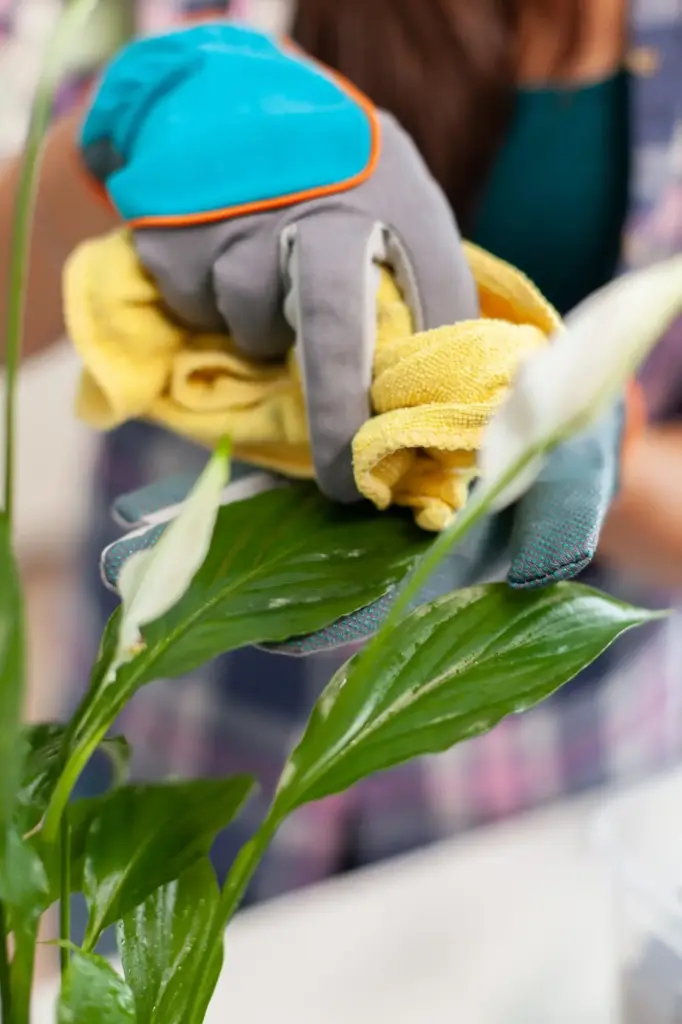
Before pruning or repotting, wipe blades with alcohol and wash hands thoroughly. Keep a small cleaning kit beside your plants for convenience, including cloths, mild soap, and labeled spray bottles. Regularly disinfect stakes and trellises too. Clean habits seem small, but they block cross-contamination, interrupt egg transfer, and establish a professional mindset at home. When everyone who helps tends plants with the same protocol, outcomes improve dramatically. Simplicity wins, and your leaves will show the difference over months.

Air, Light, and Spacing as Natural Shields

Stale, humid corners encourage pests, while overcrowding hides trouble. Space plants for ventilation, rotate them for even light, and consider a small fan on low to keep air moving gently. Adjust curtains or blinds seasonally to balance brightness and heat. Observe how each species reacts, then fine-tune placements to reduce stress that attracts pests. These adjustments are free, reversible, and surprisingly powerful. Over time, you will notice fewer outbreaks, cleaner leaves, and an easier, calmer care routine.

Welcoming Beneficial Predators Indoors
Predatory mites, lacewing larvae, and parasitoid wasps can be used carefully in enclosed spaces, especially grow tents or cabinets. Match species to target pests and temperature ranges, and release in waves for sustained pressure. Reduce broad-spectrum sprays beforehand to protect allies. While not always practical for every home, these helpers shine in focused setups or serious collections. Share results with your community, because collective experience accelerates learning about compatibility, sourcing, and the subtle art of nurturing balanced microhabitats.

Soaps, Oils, and Thoughtful Timing

Insecticidal soaps disrupt soft-bodied pests; horticultural oils smother eggs and nymphs when coverage is thorough. Test on a few leaves first, avoid hot bright hours, and repeat on schedule to catch new hatchings. Clean leaves before spraying to reduce shielding dust. Consistency beats concentration for safety and success. Keep notes on dilution, intervals, and species tolerance. Your log becomes a personalized manual, preventing overreactions and guiding future decisions with calm, data-driven confidence rather than guesswork or urgency.

Root-Zone Hygiene and Watering Discipline
Fungus gnats and root pests thrive in chronically damp, organic-rich top layers. Let soil partially dry according to species, bottom-water strategically, and top with a thin layer of sand or fine gravel when practical. Use well-draining mixes, clean saucers promptly, and remove decaying debris. Monitor moisture with your finger or a simple meter, aiming for consistent rhythms rather than rigid schedules. This discipline protects roots, reduces winged swarms, and supports overall resilience, making other gentle controls more successful.

Early Detection Tools and DIY Observation Tricks

Sticky Traps and Smarter Placement

Place yellow or blue traps just above canopy height and near doors, vents, and quarantine zones. Label each trap with the date, plant group, and location to compare catches accurately. Replace regularly, and tally counts to spot rising trends early. Traps are not cures; they are indicators that direct attention to soil health, airflow, and water practices. By treating them as data sources, you sharpen response timing, avoid guesswork, and catch issues before they become household frustrations.

Hand Lens, Flashlight, and Leaf Angles

A simple 10x lens and a bright beam reveal worlds otherwise invisible. Tilt leaves to graze light across surfaces, highlighting stippling, eggs, and crawlers. Pay special attention to veins, midribs, and tight nodes. Examine both the newest and oldest leaves, since pests exploit extremes of growth. This habit takes minutes yet radically improves accuracy. It also builds confidence, because you learn to trust your eyes and methods. Share your favorite angles and tricks to help others see clearly.

Photos, Logs, and Pattern Recognition

Snap weekly photos under similar lighting and angles, then store them in an album per plant. Write brief notes on watering, treatments, and trap counts. Over months, subtle shifts become obvious, enabling earlier interventions with gentler measures. Patterns reveal which windows, seasons, or potting mixes invite trouble. This personal dataset turns anecdotes into guidance you can rely on and share generously. It also makes successes visible, boosting motivation to maintain patient routines during busy stretches and seasonal transitions.

Clarify Tolerance and Aesthetic Goals

Some plants can handle a few pests without noticeable harm, while others decline quickly. Decide what level of cosmetic damage you can accept, and set clear triggers that move you from monitoring to action. These decisions free you from second-guessing and doom-scrolling. Write them down, share them with a plant buddy, and revisit seasonally. When goals shift, adjust gracefully. The point is clarity, not rigidity, and a resilient mindset that supports thoughtful stewardship rather than hurried, reactive measures.

Isolate, Treat, Rest, Repeat With Intention

When counts rise, isolate affected plants promptly. Start with the gentlest effective method, apply thoroughly, then allow recovery time before reassessing. Repeat on schedule to catch new hatch cycles, documenting each round. If improvement stalls, escalate one level and re-evaluate. This measured cadence safeguards plant health and your indoor environment. It also keeps morale high, because progress is visible and organized. Share your stepwise plan so others can adapt it, creating community standards that emphasize patience and learning.

Stories From the Windowsill: Practical Lessons and Wins

Personal experiences make strategies memorable. These short stories reveal how small habits, steady observation, and supportive communities transform anxiety into ease. They are honest about missteps and generous with detail, so you can adapt insights without copying blindly. Read, add your own experiences, and ask questions. Together, we convert challenges into shared knowledge and celebrate the quiet victories that keep leaves shining, roots exploring, and our living spaces filled with confidence, curiosity, and sustainable, humane plant care.
Mekilefafoxaxitami
Privacy Overview

This website uses cookies so that we can provide you with the best user experience possible. Cookie information is stored in your browser and performs functions such as recognising you when you return to our website and helping our team to understand which sections of the website you find most interesting and useful.