Happier Houseplants, One Month at a Time

Today we focus on monthly maintenance checklists for indoor plants, transforming scattered tasks into reassuring rhythms that protect roots, brighten leaves, and encourage steady growth. You’ll find repeatable steps, helpful reminders, and gentle cues for every thirty-day cycle. Bring a soft cloth, a watering can, and curiosity, then follow along. By the end, you’ll have a practical routine that fits your space, respects seasons, prevents surprises, and makes caring for your collection feel calm, intentional, and joyfully sustainable.

A Calm, Consistent Monthly Walkthrough

A dependable monthly walkthrough reduces guesswork, catches problems early, and turns care into a soothing ritual rather than a scramble. Start at the brightest window and move room by room, rotating pots, checking moisture, scanning leaves, and resetting saucers. This friendly loop usually takes under thirty minutes for modest collections, yet it meaningfully improves vigor. You’ll assemble notes about light, water, and growth, creating a clear baseline that guides future adjustments and nurtures confidence, even on the busiest weeks.

Light and Placement Audit

Stand where the plant actually lives and read the light honestly: morning rays, midday intensity, afternoon shade, and seasonal shifts. Rotate each pot a quarter turn to straighten leaning stems and encourage symmetrical growth. If shadows look dense or leaves stretch dramatically, move the plant closer, higher, or into brighter, indirect exposure. Consider reflective surfaces, sheer curtains, and distance from heat sources. Record any relocation so you can track responses over the next month with clarity.

Watering and Soil Moisture Check

Lift each pot and notice weight before touching the soil; weight teaches faster than any gadget. Use your finger or a moisture meter to confirm below the surface, where roots actually drink. If dry, water slowly until excess runs through, then empty saucers after ten minutes. For compacted mixes, aerate gently with a chopstick to restore breathability. Bottom-water thirsty plants occasionally to rehydrate evenly, but avoid leaving them soaking. Note intervals, because patterns reveal each plant’s reliable rhythm.

Dusting, Pruning, and Leaf Care

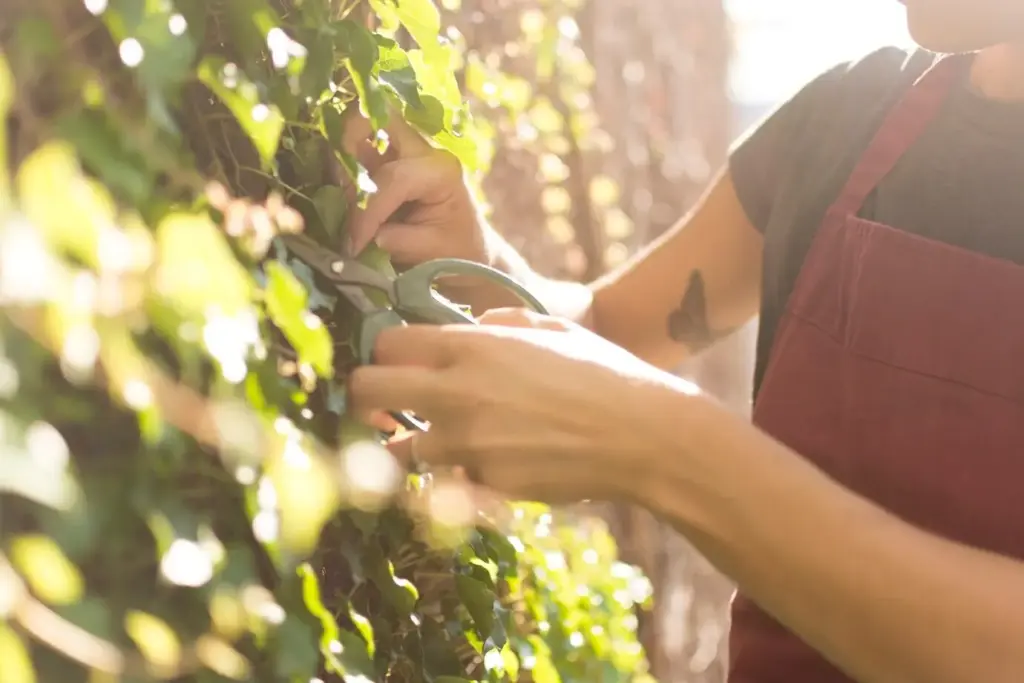
Dust forms a dull film that steals light and dampens photosynthesis, so wipe leaves with a barely damp microfiber cloth, supporting each blade with your free hand. Snip yellowing or leggy growth with sterilized shears to redirect energy toward healthy shoots. Avoid heavy polishes that clog pores; a mild shower or mist on cleaning day is enough. Inspect petioles and nodes while you work, since pests hide in seams. Finish by removing debris from soil and refreshing topdress.

Feeding Without Guesswork

Fertilizer should feel like a quiet assist, not a gamble. A monthly schedule with conservative dilution keeps foliage lush, roots active, and salts in check. Learn to read the signs: crisp leaf tips and crusty soil often signal excess, while pale new growth can whisper for a boost. Pair feeding with thorough watering to distribute nutrients evenly and prevent hotspots. Keep notes on brands, strengths, and plant responses. Over time, your log becomes a guide as reliable as any label.

Choosing the Right Fertilizer Formula

Think in families and growth goals. Leaf-forward plants like pothos and philodendrons appreciate balanced or slightly nitrogen-leaning blends, while blooming favorites often respond to a bit more phosphorus. Succulents and cacti want sparing, diluted support, if any. Consider slow-release granules for consistency, or liquids for precise adjustments. Read labels carefully, minding micronutrients such as iron and magnesium. When uncertain, choose gentler formulas and observe over a full month before changing anything, allowing plants to speak through steady growth.

Monthly Feeding Log and Dilution Rules

Use a small notebook or simple app to record date, product, dilution, and immediate observations. A dependable baseline is half-strength during active months, introduced after plain water has moistened the mix. This prevents fertilizer from rushing through dry channels and protects sensitive roots. Mark plants that reacted brilliantly or poorly, and review patterns before the next cycle. By month three, your notes will predict outcomes, helping you maintain confidence and consistency without relying solely on memory or marketing claims.

When to Skip Fertilizer

Not every month calls for feeding. Pause after repotting to let roots settle into fresh mix, which already contains available nutrients. Hold off during winter dormancy, or when a plant is stressed by pests, overwatering, or heat shock. Avoid feeding dehydrated soil or newly propagated cuttings that must establish roots first. Skipping strategically protects your collection from salt buildup, leaf burn, and wasted effort. Patience here pays dividends, saving future pruning and preserving glossy leaves that photograph beautifully.

The 60-Second Inspection Routine

Lift each leaf and scan the undersides, especially along veins and where petioles meet stems. Check new growth, which pests prefer, and the soil surface for movement. Look at the rim and drainage holes for hitchhikers. Notice odd smells or residue on fingers. If you spot early signs, wipe with a damp cloth, dab offenders with isopropyl alcohol, and plan follow-up checks. That one focused minute per plant each month prevents drama and protects the rest of your collection.

Quarantine and Treatment Protocol

When you find a problem, isolate the plant immediately to an easy-to-clean area with good light and airflow. Start with gentle mechanical removal, then follow with targeted treatments like insecticidal soap or neem oil, respecting label directions and frequencies. Repeat applications, typically in weekly cycles, to interrupt lifespans rather than merely stunning adults. Replace topsoil if eggs persist, sterilize tools, and keep the plant separate until new growth appears clean. Document dates so you know precisely when victory is earned.

Prevention Through Cleanliness and Airflow

Prevention starts with tidy habits. Empty saucers promptly, wipe shelves, and vacuum fallen leaves that invite fungus gnats. Avoid overwatering, which creates damp havens for larvae. Space plants so leaves are not constantly touching, then encourage gentle airflow with an oscillating fan on low. Rinse shower-friendly plants monthly to reset dust and tiny hitchhikers. New arrivals should rest in quarantine for two weeks before joining the crowd. Clean environments make weak infestations obvious, manageable, and swift to resolve.

Repotting Readiness and Root Health

A monthly glance at roots and containers prevents both cramped misery and unnecessary upheaval. Peer into drainage holes for circling roots, crusted salts, or soggy mix. Feel the pot sides for bulges or hardness that suggest compression. Some plants prefer coziness, but none thrive in suffocation. Plan gentle up-pots when watering runs straight through or growth stalls despite good light. Matching pot material and mix to species keeps oxygen flowing, fungus at bay, and roots confidently exploring fresh, supportive spaces.

Seasonal Adjustments, Month by Month
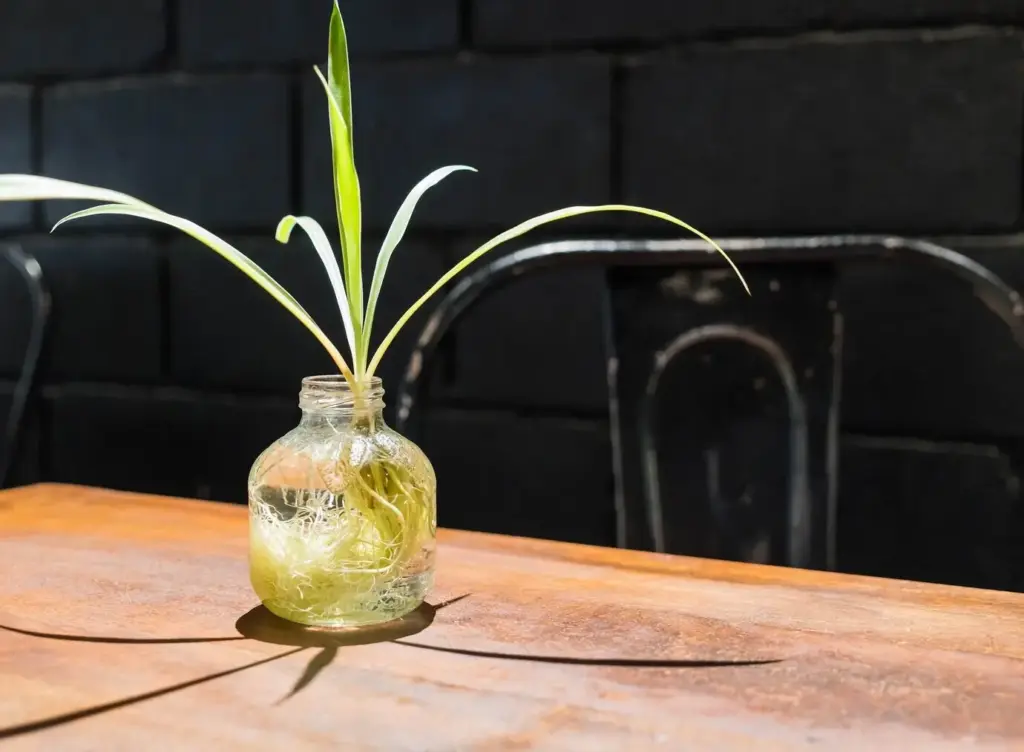
Monthly checklists shine brightest when they flex with seasons. Winter asks for brighter placement and restrained watering; spring rewards pruning and feeding; summer brings heat, faster drying, and sneaky pests; autumn invites gentle slowdowns and light shifts. Use the same structure, then tweak quantities and spacing. Clean windows during darker months, raise humidity when heaters hum, and shield foliage from harsh summer rays. This seasonal lens keeps the routine familiar while ensuring your plants feel precisely supported all year.

Tracking, Habits, and Joy

The best checklist is the one you’ll actually use, and small habits make it stick. Keep a printable card on the fridge or a friendly reminder in your calendar. Pair the routine with something you enjoy—music, tea, or a podcast—and celebrate tiny wins like a fresh unfurl or roots peeking confidently through clear pots. Invite questions, share photos, and refine steps monthly. Care becomes a conversation, not a chore, and your plants answer with calm, resilient beauty.
Mekilefafoxaxitami
Privacy Overview

This website uses cookies so that we can provide you with the best user experience possible. Cookie information is stored in your browser and performs functions such as recognising you when you return to our website and helping our team to understand which sections of the website you find most interesting and useful.